
Types of Surgical Procedures
While many spinal conditions can be managed effectively with conservative treatments—such as physiotherapy, medication, and targeted injections—there are cases where these methods may not provide adequate relief. In such instances, surgery may be considered to reduce pain and restore function. Below is an overview of commonly performed spinal procedures, offering clear insights into each treatment option, so you and your family can make well-informed decisions about your care.
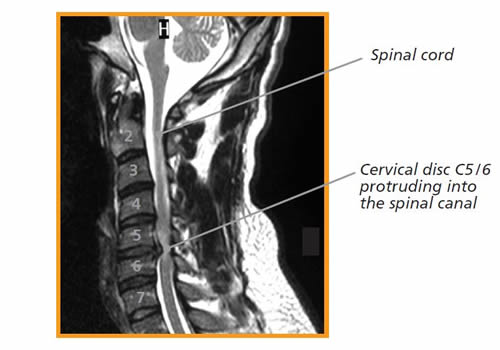
anterior cervical discectomy & fusion (ACDF)
ACDF is a surgical procedure designed to reduce pressure on the spinal cord or nerves in the neck. This involves removing a damaged disc and stabilizing the area by fusing the surrounding vertebrae. The surgery is performed through the front of the neck, and most patients experience significant pain reduction and improved mobility, with a relatively simple recovery process.
click herefor more information

posterior cervical decompression & fusion (PCDF)
PCDF is performed to alleviate pressure on the spinal cord or nerves in the neck, typically caused by conditions like spinal stenosis or degenerative disc disease. The surgeon removes bone or tissue compressing the nerves from the back of the neck and stabilizes the spine by fusing the affected vertebrae.
click here for more information

lumbar microdiscectomy
Lumbar microdiscectomy is a minimally invasive procedure designed to address leg pain, numbness, or weakness caused by a herniated disc in the lower back. Through a small incision, the surgeon removes the portion of the disc pressing on the nerve, helping to restore function and reduce symptoms.
click here for more information

lumbar decompression
Lumbar decompression surgery is performed to relieve pressure on the nerves in the lower back, often due to spinal stenosis or excessive bone growth. The surgeon removes bone or tissue compressing the nerves, which can help improve mobility and reduce leg pain and numbness.
click here for more information
lumbar decompression & fusion
Lumbar decompression and fusion combines two procedures to address nerve compression and provide spinal stability. First, the surgeon removes bone and tissue pressing on the nerves (decompression), then fuses two or more vertebrae together using screws and rods (fusion) to prevent movement. This combined approach is often recommended for patients with nerve compression and spinal instability, such as spondylolisthesis.
click here for information on degenerative spondylolisthesis
click here for information on lytic spondylosisthesis
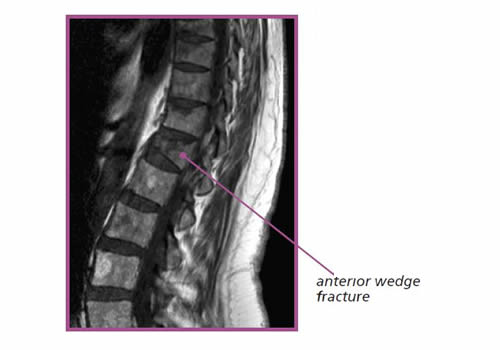
vertebroplasty
Vertebroplasty is a minimally invasive procedure used to treat painful vertebral fractures, often caused by osteoporosis. During the procedure, a special bone cement is injected into the fractured vertebra to stabilize the bone, alleviate pain, and help restore function.
click here for more information

Sacroiliac joint fusion
Sacroiliac joint fusion is a surgical option for patients experiencing pain due to abnormal movement or arthritis in the sacroiliac joint—the connection between the spine and pelvis. The surgeon stabilizes the joint by inserting implants, which can help improve stability and reduce discomfort.
click here for more information